Why Game Developers Should Listen to Players for Skin Ideas - A Gamer's Perspective
Discover why Apex Legends' viral skin campaigns and direct player feedback represent a transformative approach to live service game cosmetics. This powerful collaboration model boosts engagement, drives revenue, and creates skins players truly desire.
You know, as a long-time live service game player, I've seen it all – from the most stunning legendary skins to the... well, let's just say 'questionable' recolors. But something that happened recently in Apex Legends really got me thinking. Remember back in 2023 when the skin dev team promised Loba's swimsuit skin if their tweet got 10,000 likes? They hit that goal in ten minutes – talk about lightning fast! And honestly, looking back now in 2026, I'm still wondering: why aren't more games doing this kind of thing? It's like having a direct line to what players actually want.
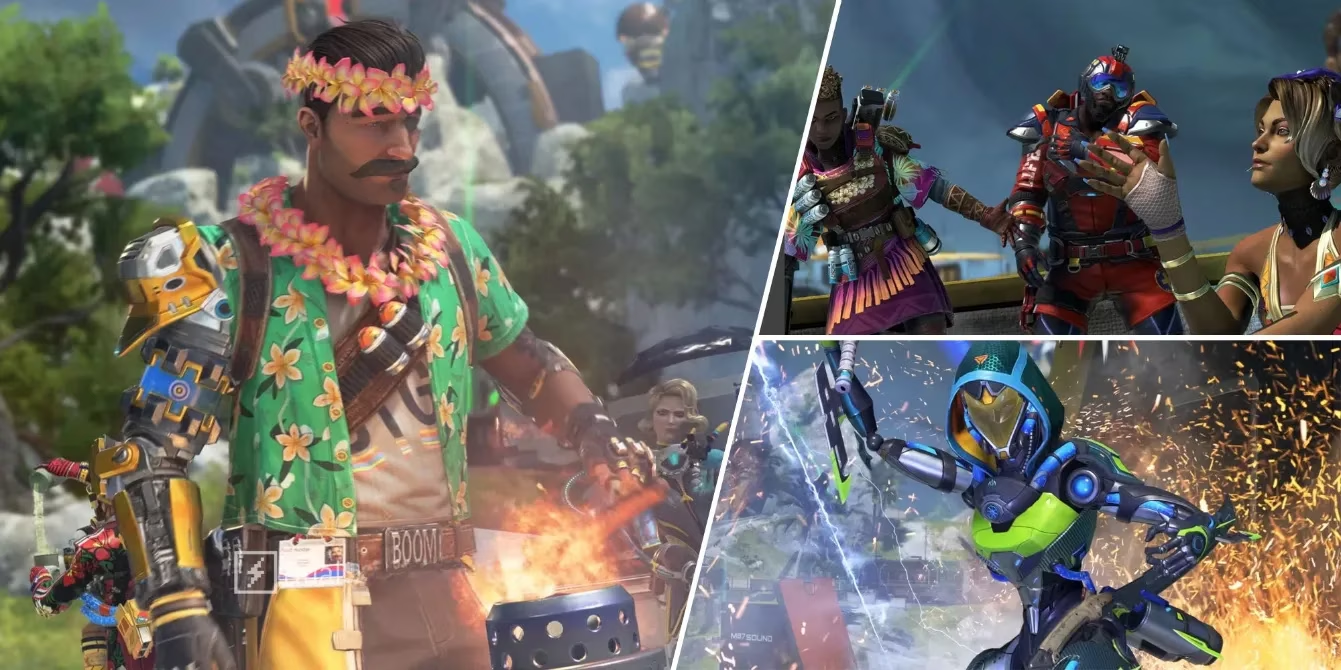
Let me tell you something – we live service gamers are absolutely wild for cosmetics. I mean, just look at the numbers:
-
Valorant players dropping $70+ for gun skin bundles like it's nothing
-
League of Legends pumping out new skin lines every few weeks
-
Overwatch finally tweaking their currency system (though they still have work to do, let's be real)
Skins are basically the lifeblood of these games' economies. But here's the thing – it's not just about throwing money at pretty pixels. There's something deeper going on.
Now, I get it – developers might worry about IP issues or legal headaches when crowdsourcing ideas. The thought of getting sued because a fan concept looks too similar to something else? Yeah, that's a valid concern. But honestly, that feels like a bit of a cop-out these days. We're not talking about stealing complete designs or relying on free labor from the community – that would definitely be crossing a line. What we're talking about is simple collaboration. A general concept, like "Loba needs a beach outfit" or "this champion should get a sci-fi skin" – that's the sweet spot.
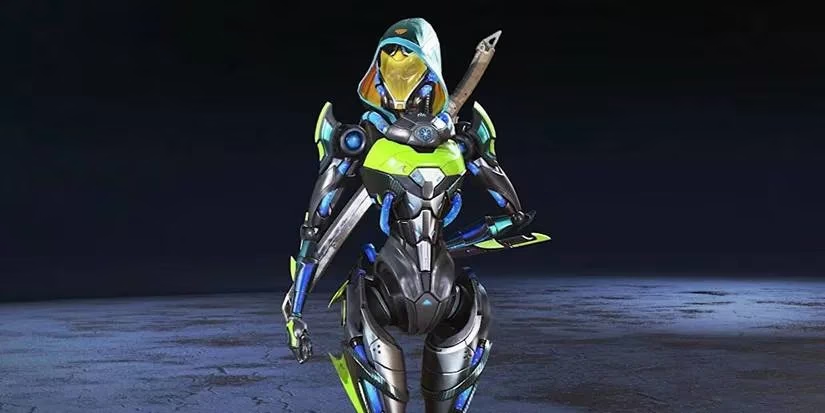
The truth is, asking players what they want is basically a no-brainer. It turns skin creation into this beautiful collaboration where:
-
Fans feel heard – We're not just wallets with keyboards
-
Devs get creative direction – They know exactly what will sell
-
Everyone wins – Better skins, happier players, more revenue
When players are involved from the beginning, there's this sense of ownership. We're not just being sold something – we're helping create it. And let's be honest here: when you've had a hand in suggesting an idea, you're way more likely to open your wallet for it. It's psychology 101!
Of course, some things are trickier than others. Big crossovers like that Overwatch x One Punch Man collab? Those take serious time and coordination between companies. But other requests? They're sitting right there, waiting to happen.
Take League of Legends, for example. For years, PC players have been begging for Wild Rift exclusive skins to come to the main game. And you know what? It's finally starting to happen. Star Guardian Orianna, Senna, and Seraphine are making their way to League proper, and the community is losing their minds (in the best way possible).
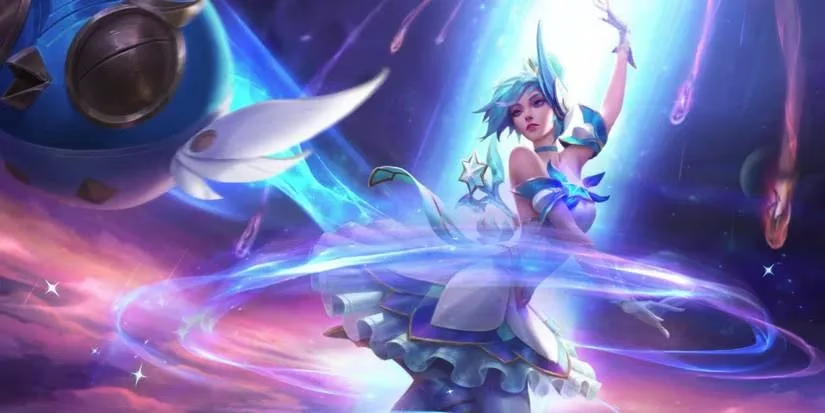
This isn't even League's first rodeo with player polls. Remember when they asked us which champions needed visual updates? Or which skin lines we wanted to see return? Those were huge successes because they made us feel like our opinions mattered.
Here's my wishlist for how games could involve players more in 2026:
| Game | What Players Want | Simple Implementation |
|---|---|---|
| Apex Legends | More thematic event skins | Monthly concept polls on social media |
| Valorant | Better bundle customization | Let players vote on bundle compositions |
| Overwatch 2 | Reasonable skin acquisition | Community-suggested challenge rewards |
| League of Legends | Ported Wild Rift skins | Regular polls for next port candidates |
At the end of the day, it's about creating that perfect symbiotic relationship. We get skins we actually want to buy, developers get guaranteed sales, and everyone feels good about the process. It's not just about me getting my favorite champion's skin more frequently (though, hey, I wouldn't complain about more Zyra skins).
Looking at where we are in 2026, I'm seeing some progress, but there's still so much room to grow. The games that truly listen to their communities? Those are the ones that thrive. They create not just customers, but passionate advocates who feel invested in the game's success.
So here's my challenge to game developers: take that leap. Ask us what we want. Run those polls. Create those community events. You might be surprised at how much we're willing to collaborate – and how much we're willing to support the games that truly value our input. After all, we're in this together, aren't we?
Leave a Comment
Comments